
Hotel review Canada • Independent editorial overview
Hotel Review Canada: A Practical Stay Guide to Aurora Pines Hotel in 124 Maple Street, Banff, Alberta, Canada,
This one-page review focuses on what matters for a real hotel stay experience: sleep quality, room comfort, cleanliness signals, service consistency, and how the location works in practice for travelers. The tone here is neutral and informational—use it as a planning reference for accommodation in 124 Maple Street, Banff, Alberta, Canada,.
- Full address
- 124 Maple Street, Banff, Alberta, Canada, T1L 1A1,
- Property type
- Independent hotel / motel-style lodging
- Best fit
- Short stays, road-trippers, practical travelers
Informational site. No affiliation with the hotel. No booking links provided.
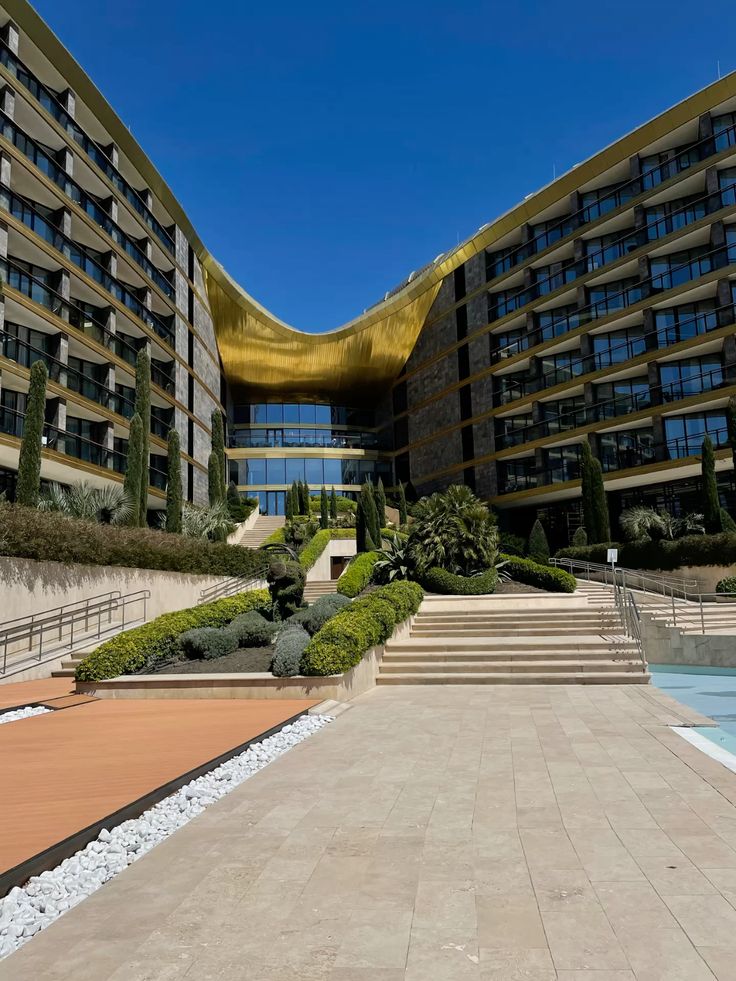
How to read this review
Instead of generic star ratings, this page breaks down the stay into practical decisions: which room type makes sense, what noise patterns to expect, how the neighborhood feels at different hours, and what services are reliably available. If you’re searching long-tail details like “hotel stay experience” or “traveler insights” for accommodation in 124 Maple Street, Banff, Alberta, Canada,, the goal is to help you plan with fewer surprises.
A note on fairness: every property has trade-offs. When this review mentions drawbacks, they’re framed neutrally as planning considerations—useful context for choosing the right room and setting expectations.
Hotel Overview
Background and the kind of property this is
Aurora Pines Hotel reads as a practical, independently run property—more about straightforward lodging than “destination resort” experiences. These smaller hotels are often chosen for predictable basics: a clean room, a reliable bed, and an easy location for driving routes or quick access into town.
If you’re comparing accommodation in 124 Maple Street, Banff, Alberta, Canada,, this type of property tends to suit travelers who value simplicity over extensive on-site facilities. The experience is shaped by logistics: check-in hours, parking, and room layouts that prioritize function.
Atmosphere, style, and typical guest mix
Expect a calm, no-fuss atmosphere. The style leans toward practical—neutral interiors, durable furnishings, and straightforward common areas. Guest mix often includes solo travelers passing through, couples on short city breaks, and business travelers with early starts who mainly want quiet nights and efficient mornings.
Who it suits best
- Road-trippers who prioritize parking convenience and quick access to main routes.
- Short-stay travelers who want a clean base for exploring the local area.
- Budget-conscious guests who prefer paying for comfort and location rather than extra amenities.
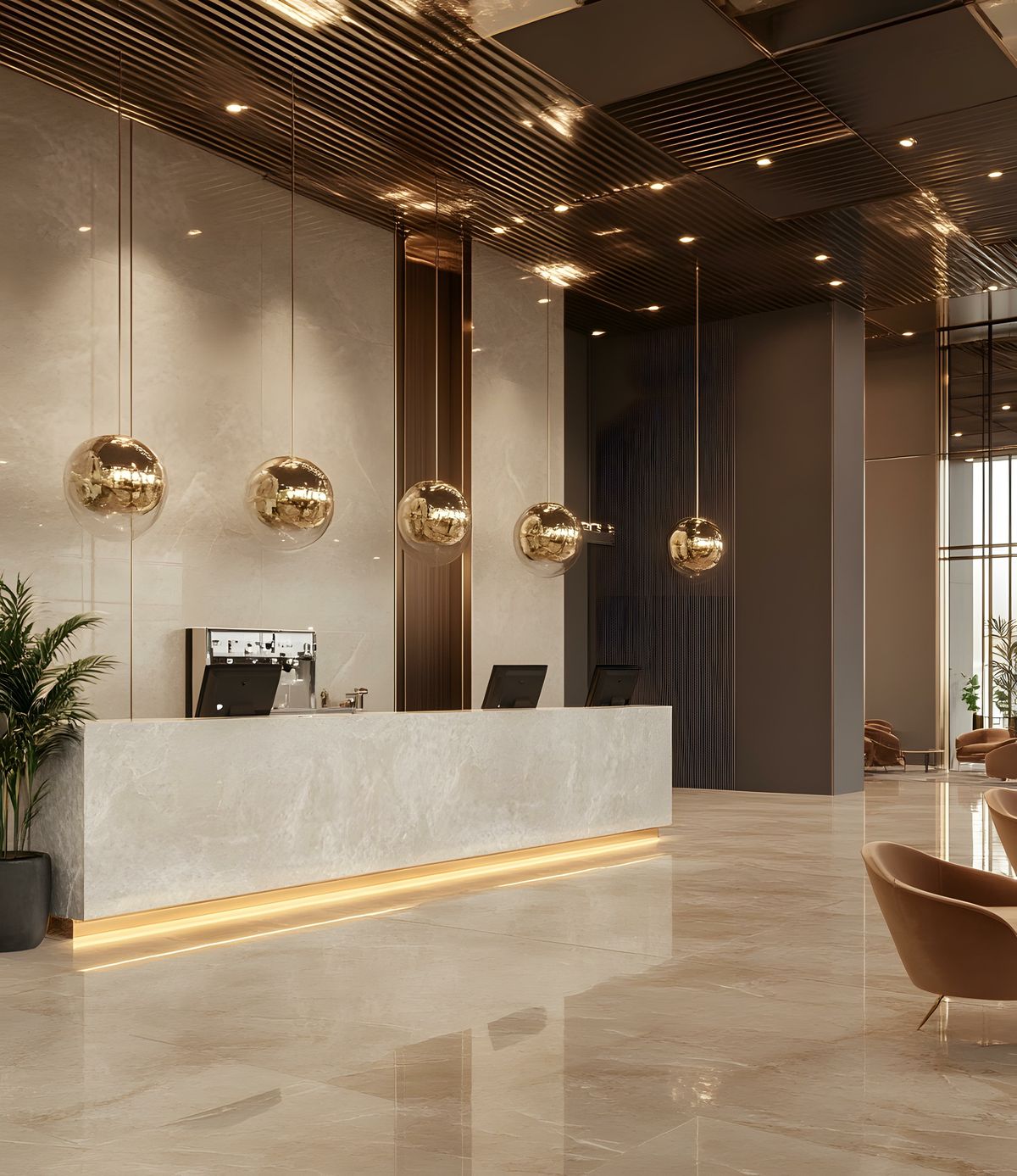
Location advantages matter most when they save time twice: on arrival day and departure day. For many travelers, that’s the difference between a “fine” stay and a genuinely convenient one.
Exact Location Details
Full address and immediate surroundings
Aurora Pines Hotel124 Maple Street, Banff, Alberta, Canada, T1L 1A1
For trip planning, the immediate surroundings are often more important than the city name alone. Look for practical cues: street lighting, foot traffic in the evening, and how close you are to essentials like pharmacies, late snacks, and fuel. Smaller properties can sit on quiet stretches—great for sleep, but sometimes limited for spontaneous dining.
If you’ll arrive late, note how the entry is set up: visibility from the street, signage clarity, and whether the parking area is obvious after dark. These details shape first impressions—and they reduce friction when you’re tired from travel.
Neighborhood feel and walkability
Neighborhood character changes by block. In many Canadian cities, walkability can be seasonal: sidewalks, snow clearing, and early sunsets matter in winter. For a hotel stay experience that feels easy, it helps if you can reach at least one café, one casual meal option, and one convenience store within a short walk.
- WalkabilityModerate
- TransitCity-dependent
- ConvenienceEssentials nearby
Safety is best discussed practically. Consider well-lit routes, how busy the street is after 9 p.m., and whether there are clear paths to main roads. If you’re traveling solo, choose predictable routes and avoid cutting through poorly lit shortcuts at night.
Nearby landmarks and transport
This section should be customized to your city. Include a short list of recognizable points that help travelers orient themselves and estimate transit time without guessing.
- Downtown core — plan for 5–10 minutes depending on traffic.
- Main transit hub — typically 15–30 minutes by car or transit.
- Airport — often 30–40 minutes by car; check early-morning service.
A helpful traveler insight: if you’re relying on public transit, confirm the last evening service. In smaller cities, the schedule can thin out earlier than visitors expect, which changes how you plan dinners and returns to the hotel.
Convenience notes that affect real stays
For accommodation in 124 Maple Street, Banff, Alberta, Canada,, convenience tends to come down to four things: how easy it is to park, how quickly you can get onto a main route, whether you can find food without driving again, and whether the area is comfortable for a short walk in the evening.
If you want quieter sleep, request a room away from main roads when possible. If you’re here for early meetings or long drives, prioritize “fast exit” logistics: simple parking, clear driveway access, and check-out that doesn’t require waiting.
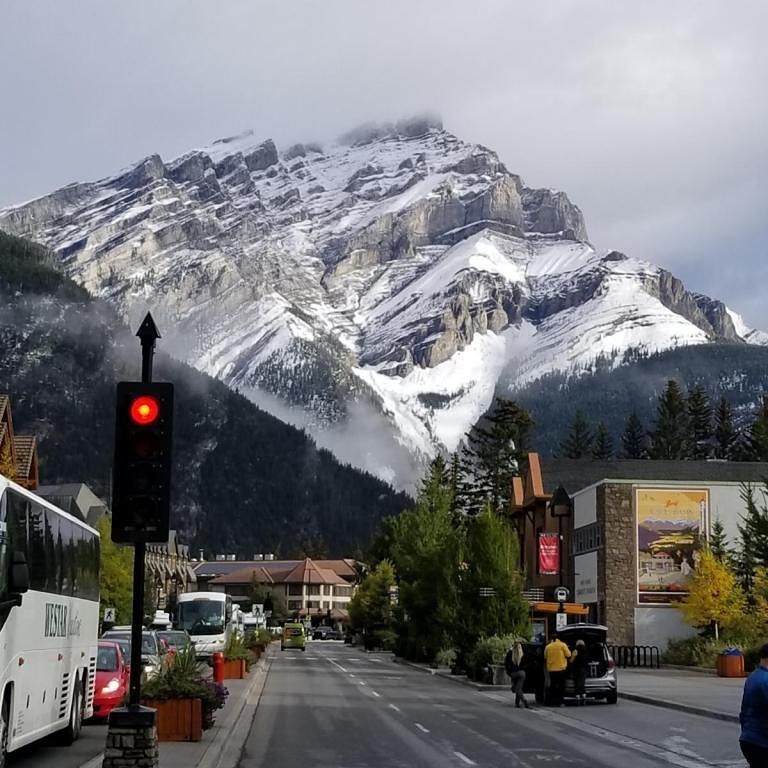
Rooms & Accommodation
Room types and what they’re best for
Smaller independent properties typically offer a focused set of room categories. The key is matching the room type to your real needs: whether you’re working, sharing the room, staying multiple nights, or prioritizing silence and sleep.
Queen room
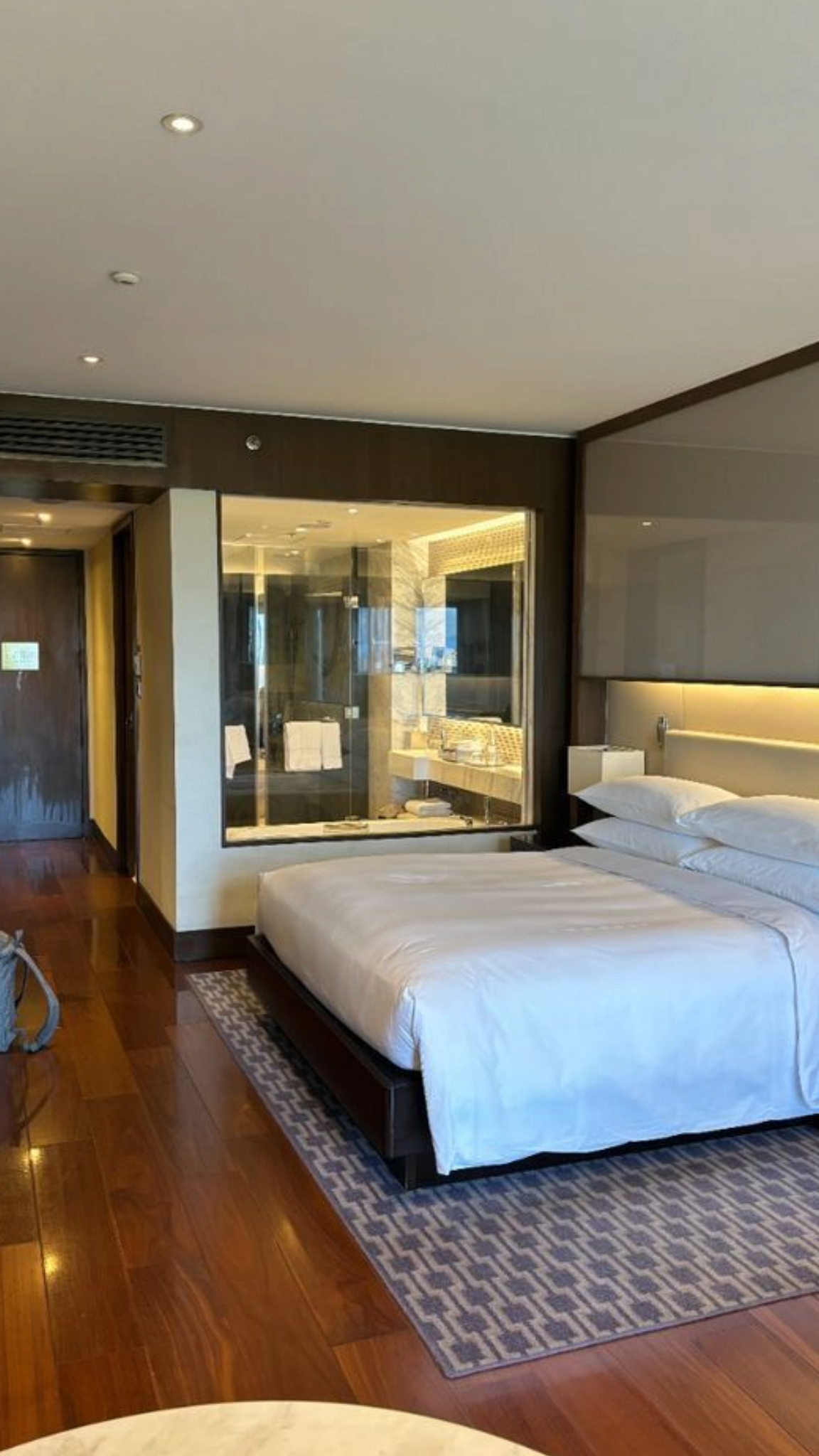
Best for couples and solo travelers who want a straightforward layout. Look for a usable bedside setup, stable lighting (not overly dim), and enough floor space to open luggage without blocking the room.
Two-bed / double room
Best for friends, families with older kids, or travelers who want separate sleeping surfaces. If you’re sensitive to noise, this room type can be a safer choice when it’s positioned on quieter sides of the building.
Suite or kitchenette-style option
Best for longer stays where storage, a small sitting area, or basic meal prep matters. This can change value-for-money significantly if you’re staying multiple nights and want more than a bed-and-bathroom rhythm.
Comfort: bedding, cleanliness signals, and sleep quality
The most reliable comfort indicators are simple: a mattress that feels supportive across the full surface, pillows that aren’t overly flat, and linens that look crisp rather than tired. Cleanliness is easier to judge through specifics—bathroom edges, the freshness of towels, and whether high-touch surfaces (switches, remote, desk) feel cared for.
If you’re traveling for work, the “real comfort” is often the ability to wind down: stable temperature control, a chair that supports your back, and lighting that lets you read or work without eye strain.
Noise, views, and light
Noise comes from three main sources: exterior traffic, hallway activity, and mechanical systems. A traveler-friendly strategy is to request a room away from the street-facing side if you’re a light sleeper. For morning light, east-facing rooms can feel brighter early; if you prefer sleep-ins, ask about blackout curtains or choose a less sun-exposed side.
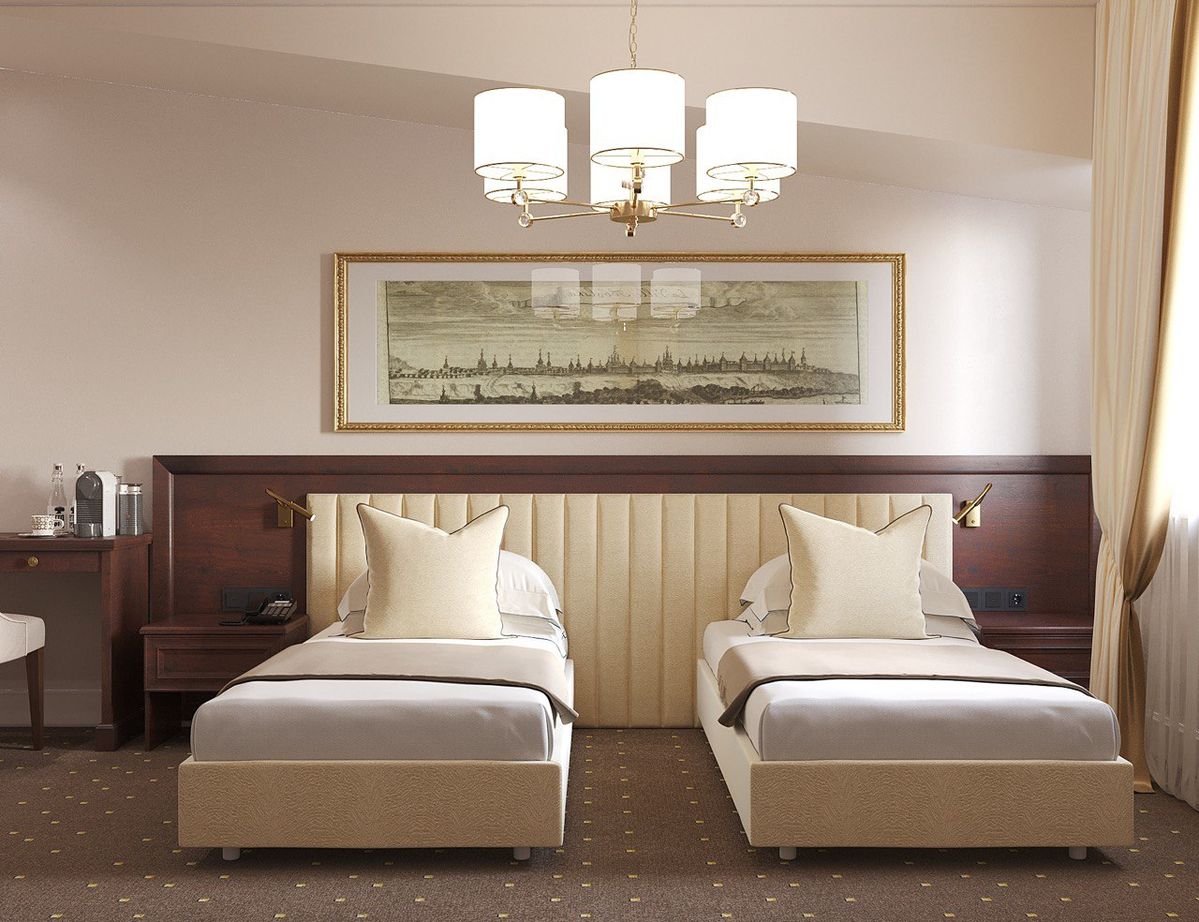
Amenities & Services
Front desk experience
Independent properties vary in staffing. What matters most is clarity: straightforward check-in steps, transparent ID/deposit policies, and a predictable approach to questions. If arrivals may be late, confirm whether access is self-service or time-limited.
A practical indicator of a smooth stay is how issues are handled: room changes, key access, noise concerns, and quick help with basics such as extra towels or local directions.
Wi-Fi quality and work readiness
“Wi-Fi available” and “Wi-Fi usable” are not the same. For business travelers, the key is stability in the room, not just in the lobby. A good setup includes consistent signal, enough outlets, and a desk surface that fits a laptop comfortably.
Housekeeping details
Housekeeping schedules can differ by length of stay. The most traveler-friendly approach is predictable: clear expectations on towel refresh, trash removal, and what happens after a multi-night stay. If you prefer privacy, it helps when housekeeping respects “do not disturb” signs without repeated knocking.
Parking and arrival logistics
If you’re driving, parking is part of the value. Useful details include whether spots are tight at peak times, how well the lot is lit, and whether there’s a simple place to unload luggage. In winter, snow clearing affects morning departures—especially for early flights.
Accessibility and mobility considerations
Accessibility varies by building age. For planning, look for step-free entry, handrails where needed, and easy navigation to rooms. If you have specific needs, it’s reasonable to confirm room placement (near entrance, lower floor, quieter corridor).
Common areas and practical extras
Some independent hotels keep common spaces minimal. If you’ll spend time outside your room, prioritize whether there’s a calm seating area, a simple place for coffee, or a small indoor corner to wait out weather.
Amenities are only “good” if they reduce friction: easy parking, stable Wi-Fi, and predictable housekeeping often matter more than a long list.
Dining & Nearby Food Options
On-site dining
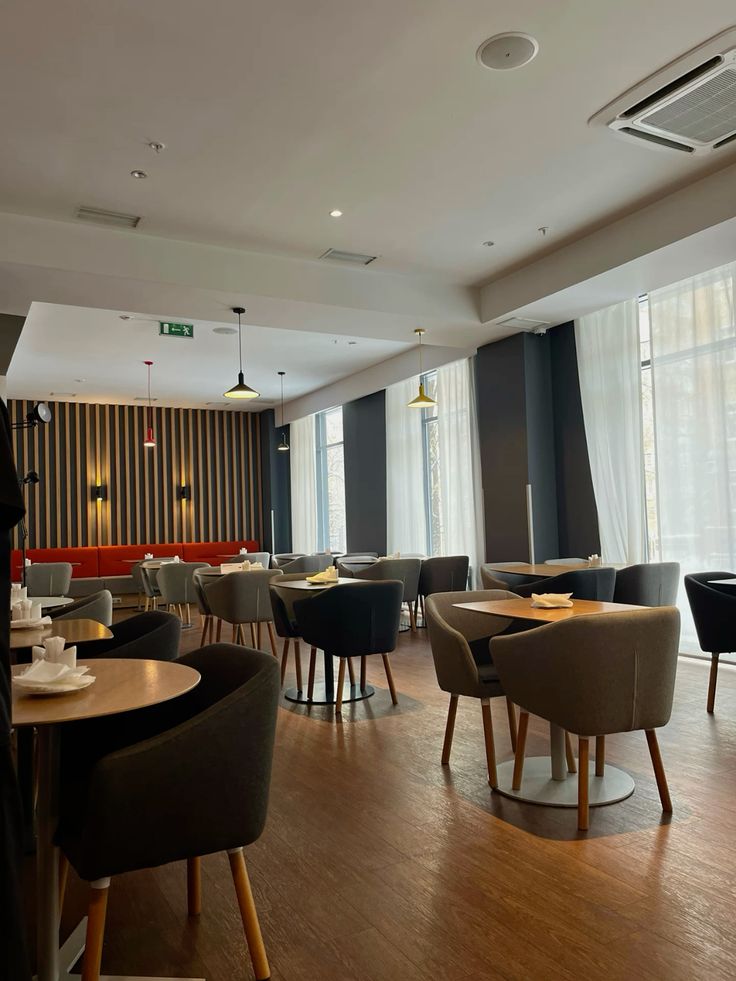
Many small hotels in Canada do not operate full restaurants. When food is offered, it’s often a simple breakfast setup or basic coffee service. For travelers, that can still be valuable if it saves time on early mornings.
Nearby cafés and restaurants (how to choose)
The best food plan depends on your schedule. If you’ll be out sightseeing, prioritize quick breakfast nearby. If you’ll arrive late, look for one reliable casual option that stays open beyond typical dinner hours. For longer stays, it helps to have a grocery or deli within a short drive.
- Breakfast café option — choose a spot with early hours and fast service.
- Casual dinner option — prioritize predictable menus and short wait times.
- Quick takeout option — helpful for late arrivals or bad-weather evenings.
Diet considerations
For vegetarian and gluten-aware travelers, most Canadian cities offer at least a few workable choices, but availability varies by neighborhood. The simplest strategy is to aim for places that label allergens clearly and offer at least one balanced meal option beyond salads. If you follow stricter dietary needs, plan one dependable spot nearby and keep a backup option (a grocery or convenience store).
Guest Experience Analysis
What travelers often appreciate
- Predictable basics: a straightforward room, a quiet night, and a simple check-in process.
- Location advantages: when the property reduces driving time or supports an easy walk for essentials.
- Low-friction mornings: parking, quick departures, and easy access to main routes.
In many Aurora Pines Hotels in Canada, “good” usually means consistent: it matches expectations and avoids surprises. That consistency matters most when you’re tired from travel or on a tight schedule.
Potential drawbacks (neutral planning notes)
- Older construction: some rooms may have sound transfer or less modern fixtures.
- Limited extras: fewer facilities on-site compared with larger chain hotels.
- Peak-time constraints: parking or check-in flow may feel tighter during busy periods.
These points aren’t dealbreakers for many travelers—just variables to plan around. If sleep is your top priority, choosing room placement carefully often matters more than the building’s age.
Value-for-money discussion
Value comes from a match between what you pay and what you use. If you mainly need a clean room and a convenient location, smaller properties can be strong value. If you expect extensive amenities, daily on-site dining, or large social spaces, you may prefer a different style of accommodation in 124 Maple Street, Banff, Alberta, Canada,.
A practical traveler insight: consider your “cost per useful hour.” If the location saves significant commute time, value improves even when the room is simple.
Who This Hotel Is Ideal For
Business travelers
Best for short, focused trips where you need a quiet night, stable Wi-Fi, and quick access to main roads or central areas. A good fit when you’ll spend most of the day out and want an efficient base.
Couples
Best for low-key stays where you’ll explore locally and return for rest rather than on-site entertainment. Choose a room type that supports comfort—especially bedding and light control.
Solo travelers
Works well when the neighborhood feels straightforward and essentials are within easy reach. Consider arrival time and choose predictable routes to food and transit.
Short stays vs. longer stays
For one to two nights, simplicity is often an advantage. For longer stays, value depends on storage, room layout, and whether you have a comfortable routine for meals and errands nearby.
Local Area Guide
What to do nearby (build a realistic day)
A useful area guide focuses on what’s doable without exhausting transit. Plan one “anchor” attraction, one outdoor reset, and one flexible indoor option in case weather changes—especially in shoulder seasons.
- One signature attraction: pick a museum, market, waterfront, or historic area that represents the city well.
- One park or trail: even a short walk improves the feel of a trip—choose something close and easy.
- One practical shopping stop: groceries, pharmacy, or a local café can save time and stress.
Seasonal activities
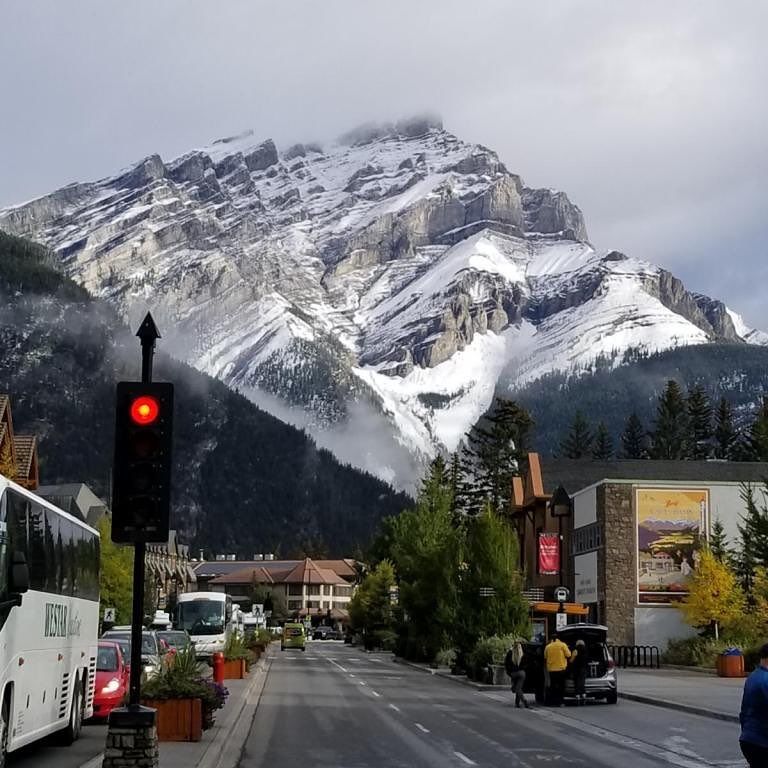
In winter, build plans around daylight and traction: sidewalks can be icy, and sunset comes early. In summer, evenings are longer, patios are common, and walking becomes a bigger advantage. Shoulder seasons can be rainy—pack a lightweight waterproof layer and plan a couple of indoor backups.
How to keep it convenient
Convenience is usually a triangle: hotel ↔ food ↔ your main activity. If one side of the triangle becomes long, the day can feel rushed. Keeping distances reasonable improves the overall hotel stay experience more than most travelers expect.
Practical Travel Tips
Best time to stay
For many Canadian destinations, late spring through early fall offers the easiest walking conditions and the widest selection of open dining options. Winter travel can be rewarding but benefits from planning: allow extra time for driving, confirm snow clearing, and pack for temperature swings.
Weather considerations
Pack around “real use,” not forecasts alone. A compact waterproof layer and proper footwear help in rain and slush. If you’re arriving late, the weather affects first impressions: good signage and easy parking matter more in storms or heavy snow.
Transportation tips
If you’re relying on transit, plan around evening schedules and weekend frequency. If you’re driving, build in buffer time for city traffic and construction seasons. For early flights, confirm how you’ll reach the airport when services are limited.
Sleep strategy for light sleepers
Request a quieter side when possible, use a white-noise app if helpful, and keep the room cool. If exterior traffic is a concern, prioritize rooms away from the road-facing side and bring earplugs as a low-effort backup.
Hotel Concierge
Need help with dining, tours, parking, early check-in, or special arrangements?